Автор: nyamago
Дата: 08-12-14 16:30
Добре е да се знаят и други гледни точки, за балансиран поглед към личността и творбите:
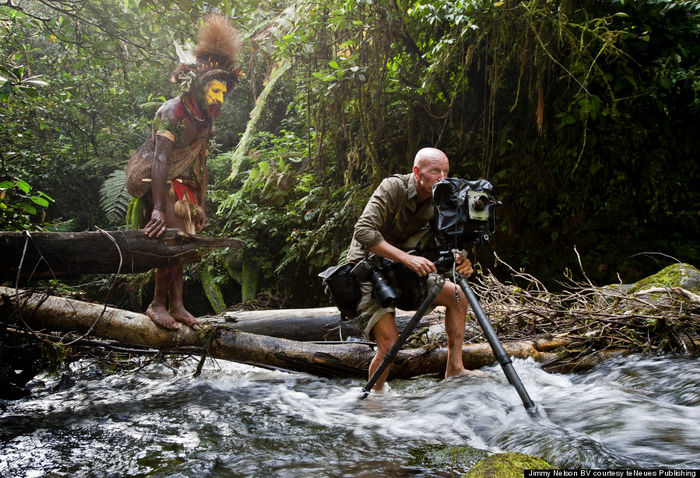
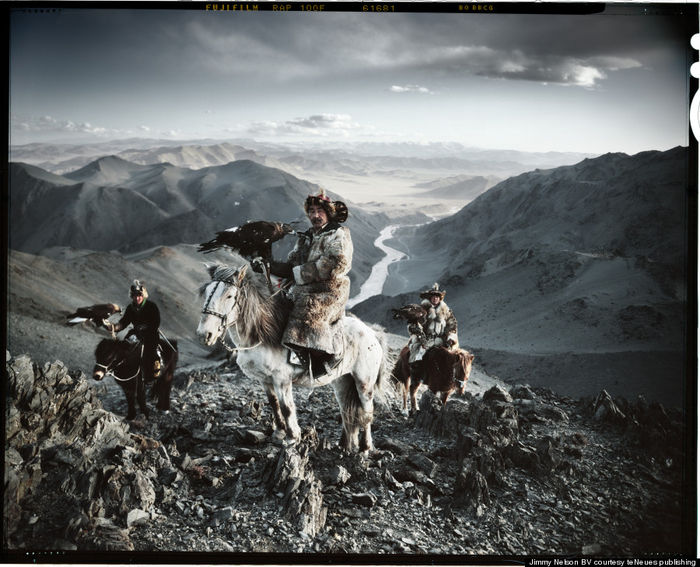
"In June 2014 Nelson’s project Before they pass away came under attack from Stephen Corry, director of Survival International , the global movement for tribal peoples’ rights. In a review entitled “Turning a Blind Eye to Pure Old Vibrations” published on the Truthout website, Corry attacked Nelson’s work for presenting a false and damaging picture of tribal peoples.
Corry maintained that Nelson’s pictures bear little relationship either to how the people pictured look now, or to how they’ve ever appeared.
Corry writes, "In his photos of the Waorani Indians of Ecuador, he has them unclothed except for their traditional waist string. The Indians are not only shorn of their everyday clothes, but also of other manufactured ornaments such as watches and hair clips. In real life, contacted Waorani have routinely worn clothes for at least a generation, unless, that is, they are 'dressing up' for tourists. […] His Waorani female models have now preserved their modesty by tying 'fig' leaves into their waist string, which they would never have done formerly: the images look like a throwback to a past era, but they're also a contemporary invention."
Corry goes on to allege that Nelson not only presents a fictionalized portrait of tribal people, but more importantly that he glosses over the violence to which many of the tribes pictured are being subjected and fails to mention, that many minority peoples, especially tribal ones, are not "disappearing" but that they are being destroyed through illegal theft of their land and resources.
Nelson defended his work against the criticism of Survival International in an article in the Amateur Photographer saying that every image is a "subjective, creative document of the photographer". He admitted that he staged and directed the individuals, but said that it was done with their co-operation and consent. In an article published in The Times, Nelson defended his book by saying that it was never meant to be reportage, but an "aesthetic, romantic, subjective, iconographic representation of people who are normally represented in a very patronising and demeaning way."
Papuan tribal leader Benny Wenda has also criticized Nelson for describing his tribe as "headhunters", when in fact the Dani have never practised cannibalism. Mr Wenda said: “The real headhunters are the Indonesian military who have been killing my people. My people are still strong and we fight for our freedom. We are not ‘passing away,’ we are being killed by the brutal Indonesian soldiers. That is the truth..."
Извинявам се за цитата без превод, но с две думи: племената НЕ изглеждат и НЕ живеят както той ги показва. Неговите (красиви, не може да се отрече) образи са режисирани и въображаеми - една своеобразна естетика на етнографска основа, но много отдалечена от действителността. Това важи и за разказите му - повече художествена измислица, отколкото документални.
Изкуство ли е? Много вероятно. Аз лично го намирам за изкуство, доставя и естетическо удоволствие, им аи послание. Да не се бърка с фотодкументалистика или журналистика, нито с етнографски изследвания (той изрично отрича да има претенции за документална достоверност).
И още ме мъчи въпроса в кой благотворителен фонд се внасят като дарение (макар и нищожно малка) част от приходите на проекта?...
![[shtrak]](https://photo-forum.net/forum/smileys/shtrak.gif)
|
|



![[smilie24]](https://photo-forum.net/forum/smileys/smiley24.gif)
![[smilie2]](https://photo-forum.net/forum/smileys/smilie2.gif) 199,40 лв.
199,40 лв. ![[cool]](https://photo-forum.net/forum/smileys/cool.gif)
![[smile]](https://photo-forum.net/forum/smileys/smilie1.gif) . Аз не ги обичам тия неща, ама съм достатъчно глупав, за да раздавам ум :)) Ами...
. Аз не ги обичам тия неща, ама съм достатъчно глупав, за да раздавам ум :)) Ами... ![[beer]](https://photo-forum.net/forum/smileys/smiley20.gif)
![[smilie6]](https://photo-forum.net/forum/smileys/smilie6.gif)
![[smilie11]](https://photo-forum.net/forum/smileys/smilie11.gif)


 Стани фен на Фото Форум във Facebook
 Фото Форум в Instagram